A central question in Evolutionary Biology is how differences in gene repertoire impact the morphological and physiological diversity of animal species. To tackle this issue, we must consider issues such as gene numbers, orthology assignment, patterns of gene loss, the contribution of gene duplication and the interplay of these genomic events with environmental settings (adaptation). The central long-term objective of the Animal Genetics and Evolution team (AGE) is to elucidate and comprehend the evolution of complex traits and gene networks in Metazoans and their impact on animal physiology, in particular in the context of the Anthropocene Epoch.
The ”Omics” Era exemplified by the extraordinary number of full genome projects currently available, offers a unique and timely opportunity to investigate and to understand the basis of animal physiological diversity. The team has been investigating the impact of life history trajectories in the context of genomic processes affecting gene repertoire (gene loss and duplication). By combining comparative and functional genomics, we are carrying out an extensive characterization of the repertoire of fatty acid biosynthetic genes (desaturases and elongases) and nuclear receptors in species representing key informative phyla (e.g. sponges, bryozoans, annelids, molluscs, cephalochordates, and vertebrates) to address the evolution of lipid physiology and endocrine function in Metazoans, especially in the context of the Anthropocene.
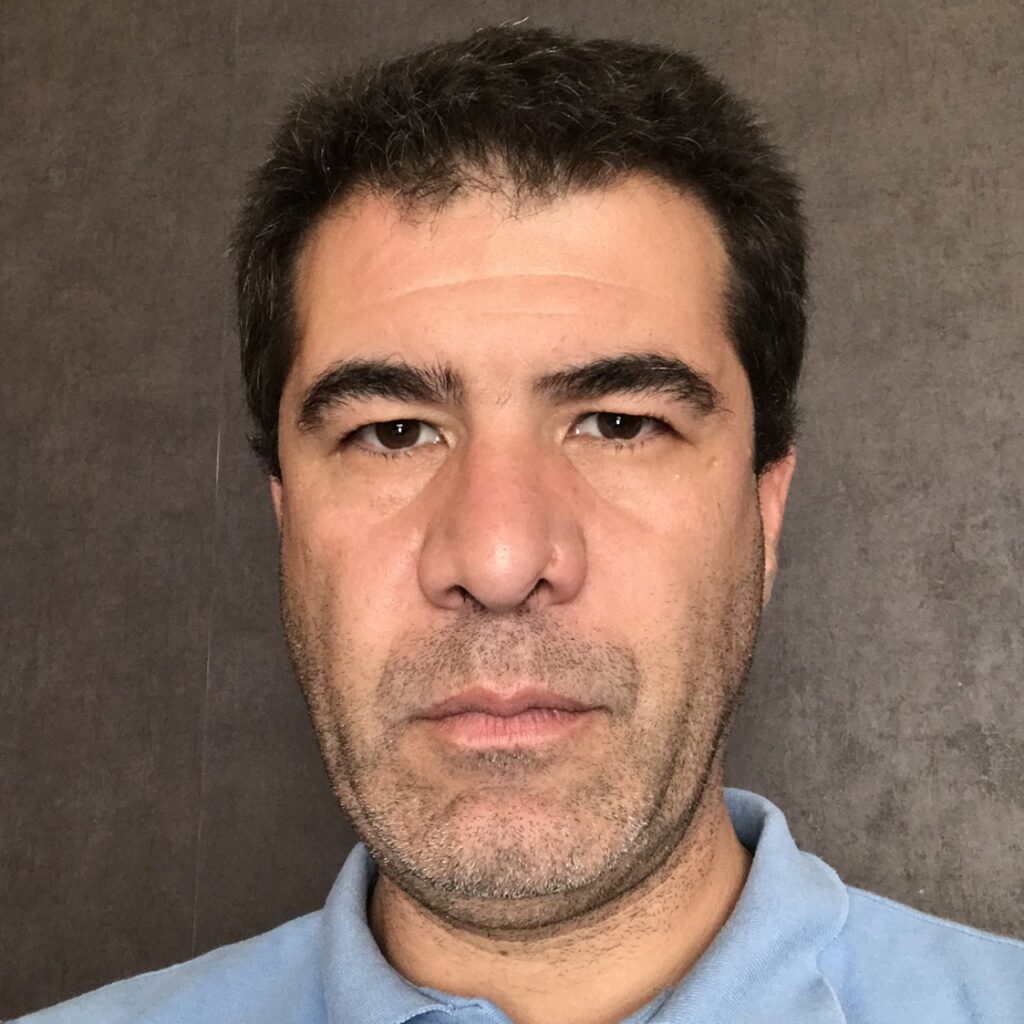
Filipe Castro is Assistant Professor at the Faculty of Sciences of the University of Porto and PI of the team in Animal Genetics and Evolution. Among the group’s various research focuses are Comparative Genomics, Physiology and Evolution, Bioinformatics and the Anthropocene.
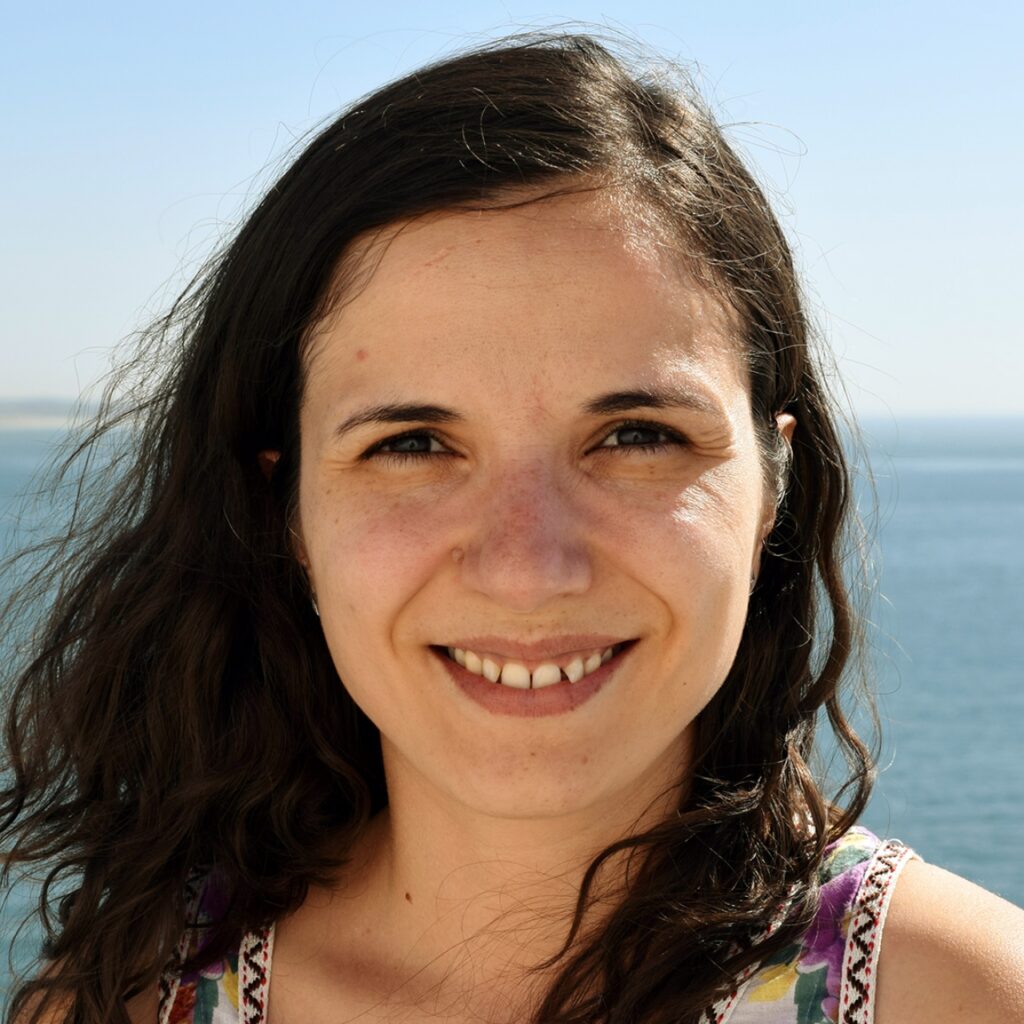
Mónica Lopes-Marques holds a double diploma, the first degree in Biology/Geology (2005) second degree Genetics/Biotechnology (2008), and a Master’s degree in Comparative Genetics (2011). In 2017 she completed her PhD in Biomedical Sciences (2017). She has participated in several international research projects and is experienced in Project management and Data Management for EUProjects.
Currently, she is a an FCT Researcher at CIIMAR (2022.00397.CEECIND), and her research focuses on Aquatic mammals and metabolic adaptations. She aims to understand the correlation between molecular evolution and phenotypic adaptation and use this knowledge to assess the true impact of environmental stressors on aquatic mammals.
Having graduated in Biochemistry from the Faculty of Sciences of the University of Porto (FCUP) and the Abel Salazar Institute of Biomedical Sciences (ICBAS), I am currently in the second year of my Master’s degree in Bioinformatics and Computational Biology at FCUP. During this academic year, I will be conducting my dissertation with the Animal Genetics and Evolution group, aiming to develop a user-friendly bioinformatic tool for transcriptomic data analysis.
Anne Liong, originally from Germany, completed her MSc at RWTH Aachen University in Molecular and Applied Biotechnology, Germany in 2019. Currently she is a FCT PhD student in the Cyanobacterial Natural Products (CNP) team within in the frame of the Biomedical Sciences doctoral program at ICBAS, University of Porto. Her research project includes the deorphanization of biosynthetic gene clusters (BGCs) from cyanobacteria and focuses on the discovery of new fatty acid-harboring natural products and their underlying biosynthesis and enzymology. Anne has multidisciplinary expertise in mass spectrometry analysis, molecular cloning, protein expression and natural products isolation.
Inês Amorim is an Environmental Health graduate (2023) from the Superior Health School of the Polytechnic of Porto (E2S.IPP) and is currently an
Environmental Toxicology and Contamination MSc student at School of Medicine and Biomedical Sciences of University of Porto (ICBAS.UP) and Faculty of Sciences of the University of Porto (FCUP). This year she will be developing her dissertation focused on the analysis of biotransformation genes in Pinnipeds.
J. Miguel Cordeiro (PhD) has obtained his Licence in Biology (Aveiro (PT)) in 1998; he then took a Master’s degree in Cell Biology (Coimbra (PT)) in 2004 and a PhD in Biology (Aveiro (PT) / Genève (CH)) in 2008. He is now a researcher at CIIMAR in the field of neurobiology dedicated at studying new regulatory mechanisms of fast neurosecretion and on discovering new bioactive compounds effective against several neurological diseases tested in pre-clinical models (Torpedo marmorata and Danio rerio) of disease (Epilepsy, Parkinson’s; Alzheimer’s and Neuromuscular diseases).
I am a postdoctoral researcher at CIIMAR. I am a biologist, and hold my M.Sc. in Marine Science and Resources, Aquaculture and Fisheries at the University of Porto (2012) and my Ph.D. in Aquaculture at the University of Vigo (2016). During my Ph.D., my studies were oriented toward the diversification of species of interest for aquaculture. I am currently applying genetic tools to explain key aspects of the feeding strategy and diet composition in fish and cephalopods in aquaculture.
Mónica Lopes-Marques holds a double diploma, the first degree in Biology/Geology (2005) second degree Genetics/Biotechnology (2008), and a Master’s degree in Comparative Genetics (2011). In 2017 she completed her PhD in Biomedical Sciences (2017). She has participated in several international research projects and is experienced in Project management and Data Management for EUProjects.
Currently, she is a an FCT Researcher at CIIMAR (2022.00397.CEECIND), and her research focuses on Aquatic mammals and metabolic adaptations. She aims to understand the correlation between molecular evolution and phenotypic adaptation and use this knowledge to assess the true impact of environmental stressors on aquatic mammals.
Biologist specialized in genomics and marine conservation. Academic background from FCUP (BSc) and ICBAS (MSc), with internships at i3S and CIIMAR. Experience in laboratory research, genomic analysis, and cetacean monitoring. Involved in projects such as CETUS, EMPHATIC, and GAMA. Awarded presentations at scientific events. Currently part of the group Animals Genetics and Evolution.
Nuno Gonçalo de Carvalho Ferreira is an Auxiliary Research within the group ECOSIGNAL, developing his research under the theme “Resilience for a Sustainable Future”. He published >30 manuscripts in specialised journals and received several awards and honours. The research portfolio has approximately 20 projects, generating more than 3.2M€ in the past five years. The main research areas are Environmental Sciences, Biodiversity Conservation and Molecular Biology, emphasising the U.N. Sustainable Development Goals and supporting indigenous groups and local populations of LMICs. He has been invited as a reviewer for many project calls, including H2020 – MSCA and the UK Royal Society.
Rui Pinto received his Biology degree in 2016 and his MSc in Biodiversity, genetics and evolution in 2018 from University of Porto. In 2020, he was awarded with a mixed FCT PhD scholarship to perform large-scale comparative genomics with the goal of understanding the molecular bases of avian dietary specializations. The work will be developed between CIIMAR and the Center for Macroecology, Evolution and Climate (University of Copenhagen). He is interested in the interaction between genetics, evolution and ecology.
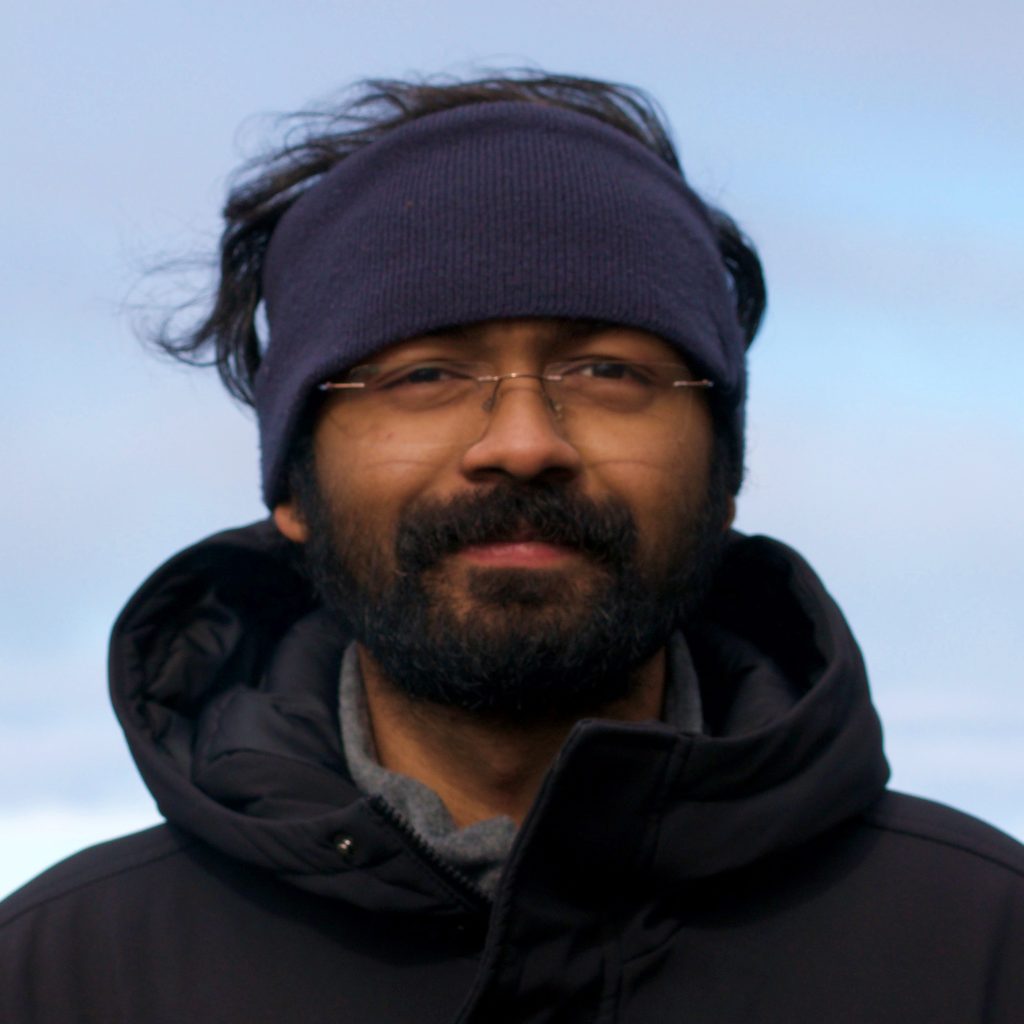
Sharath Chandra Thota is a first-year PhD student at CIIMAR, holding a Master’s in Biology of Extreme Environments from Italy and a Master’s in Biotechnology from India. Passionate about extreme environments and their microbes, his research is supervised by Irina Gorodetskaya and Catarina Megalhaes, funded by an AIR Center grant. He explores atmospheric rivers’ role in extreme temperatures and precipitation and their potential effect on microbial biodiversity on the Antarctic Peninsula. Experienced with fungi, bacteria, viruses, haptophytes, and diatoms, he also evaluated SARS-CoV-2 in the air during COVID-19. His past research includes studies on transgenerational epigenetic inheritance and Svalbard permafrost microbial diversity.